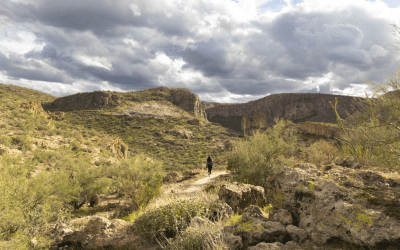
Welcome to a different Grand Canyon experience. At Grand Canyon West, you can immerse yourself in everything this unique landscape offers, from the bottom of the canyon to the skies above. Owned and operated on tribal lands by the Hualapai (pronounced Wal-lah-pie), Grand Canyon West provides visitors with thrilling adventures and cultural insights about this natural wonder. The Hualapai view their home of the Grand Canyon and the Colorado River as sacred, living entities central to their heritage and spirituality. The Canyon is more than a landscape—it connects the tribe to their ancestors and culture. Their stewardship of Grand Canyon West aims to honor these values while sharing their stories and traditions with visitors.
This story was created in partnership with Grand Canyon West.
Who are the Hualapai
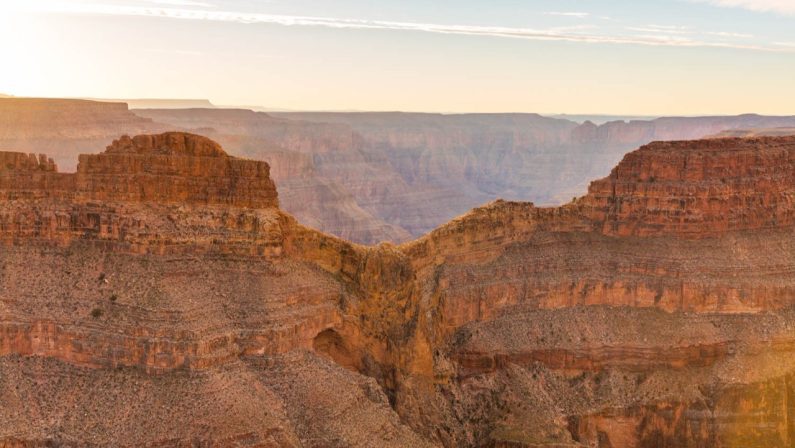
The Hualapai, or “People of the Tall Pines,” are a Native American tribe originally from northwestern Arizona. Historically, they inhabited over five million acres along the Grand Canyon and Colorado River, thriving as hunters and gatherers. They relied on the region’s diverse ecosystem, hunting deer and antelope, fishing, and gathering wild plants. The Hualapai faced significant challenges during westward expansion and resisted forced relocation, ultimately securing a reservation in 1883, which now encompasses about 1 million acres, including the western half of the Grand Canyon.

At Grand Canyon West, Hualapai culture comes alive through performances and storytelling, offering visitors a chance to experience the tribe’s spiritual practices firsthand. The Hualapai Bird Singers perform at Eagle Point, singing songs representing their connection to the Earth and the universe. Accompanied by drumming and maracas, their songs are either dream-inspired or passed down from elders. Women participate in dances that mimic birds in flight, symbolizing spiritual guidance and reinforcing the tribe’s deep cultural traditions.

Connecting with the Land
Grand Canyon West offers experiences celebrating the Hualapai’s deep connection to their ancestral lands while sharing the canyon’s natural beauty. Eagle Point allows visitors to step onto the iconic Skywalk, a glass bridge suspended 70 feet beyond the canyon’s rim. The 10-foot wide, horseshoe-shaped bridge gives visitors the ability to look down 4,000 feet to the Colorado River below! Also found at Eagle Point, visitors can explore the authentic Native American Village featuring traditional structures from various tribes, highlighting the lifestyle and ingenuity of the Hualapai and other Indigenous communities. Guano Point offers trails through former mining sites for the best 360-degree views of the Grand Canyon, with mining remnants hinting at the area’s past.

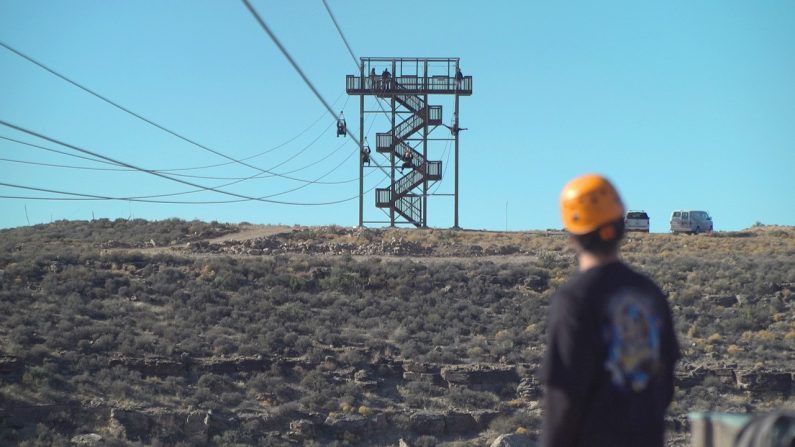
The Quartermaster Canyon Zipline, on the eastern side of Grand Canyon West, offers a heart pumping ride over rugged desert terrain, providing a unique perspective on the canyon and surrounding cliffs. Soar 500 feet over Quarter Master Canyon at speeds of up to 40 miles per hour! Nearby, at Hualapai Point, trails for hiking and biking allow guests to further engage with the landscape. Visitors can also meet Hualapai Tribe Ambassadors at the Walapai Trading Post, where they can explore handcrafted art and traditional artifacts, providing insight into the Hualapai’s cultural heritage. Each location brings visitors closer to the Hualapai story, blending excitement with an educational focus on their traditions and relationship with the land.
Embracing the River
Grand Canyon West’s whitewater rafting tours are designed to be both thrilling and culturally enriching. One option for a unique adventure is to embark on the Soar and Float tour with a helicopter ride that takes visitors down into the Grand Canyon, providing an unforgettable aerial view. Landing at the bottom of the canyon, you will board a pontoon boat that will take you down a serene stretch of the Colorado River. Another exciting option is to join the Hualapai River Runners on a 12-mile guided rafting journey along the Colorado River, navigating a mix of rapids and calm sections highlighting the river’s beauty and power. Guides tailor the experience to both thrill seekers and those interested in learning more about the river by sharing stories of the river’s historical and spiritual significance to the Hualapai.
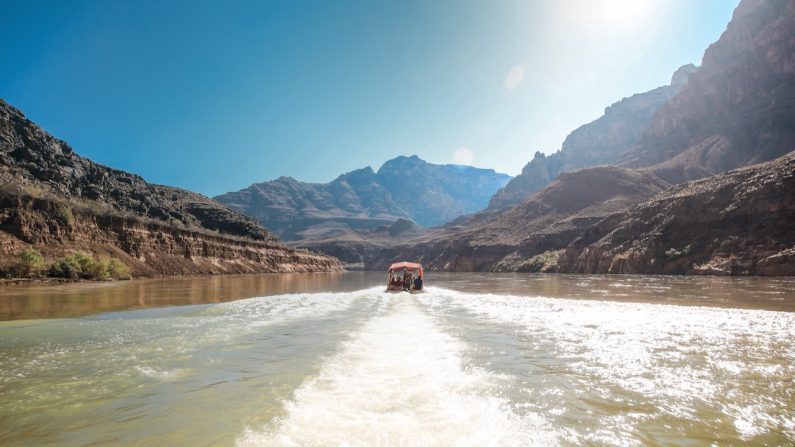
The tour also includes a stop at Travertine Cavern Falls, where guests can hike and explore hidden waterfalls. Each trip comes with a picnic lunch, giving rafters a break to enjoy the surroundings. Transportation is provided from Peach Springs, making it a convenient day-trip option for visitors. These tours are well-suited for beginners yet exciting enough for more experienced expeditioners, combining adventure with cultural insight.

A visit to Grand Canyon West offers not only breathtaking natural beauty but also a profound opportunity to connect with the Hualapai tribe’s rich cultural heritage. Their hospitality and stewardship make this an enriching experience for all who seek to understand and appreciate this sacred landscape.