Donegal, Ireland, is the northernmost county in the Republic of Ireland, and one of the most underrated places on the Emerald Isle. Renowned for the scenery, Donegal is a break point for the isle against the Atlantic, with unrelenting waves crashing against coastal cliffs, encouraged by whipping westerly winds. It’s sometimes called “the forgotten county,” and is one of few counties in Ireland you can’t reach by train. As a result, Donegal remains off the radar of many tourists. It’s not the kind of place one would typically just be passing through by chance, so visiting is a commitment made easier by direct bus connections from Dublin and other larger cities plus a small regional airport that boasts one of the world’s most scenic approaches.
Donegal holds several more superlatives, including the largest fishing port in Ireland, the tallest sea cliffs in Europe, and a large section of the longest coastal road in the world. Amongst the Irish, Donegal is known for unique dialects and accents, untamed scenery and climate, and complex history.
Is Donegal Part of Northern Ireland?
Yes and no. Officially, no; County Donegal is one of the 26 counties that make up the Republic of Ireland, not Northern Ireland, United Kingdom. However, yes, Donegal is geographically located in the north of Ireland. Understanding this distinction is important when you visit, as it can be a sensitive topic especially in border counties.
Why is Donegal Called “the Forgotten County?”
Due to its land and sea borders, Donegal is uniquely pinched off from other Republican counties. As mentioned before, it’s also not connected directly by rail from either Dublin or Belfast, the two largest cities on the isle of Ireland. Therefore, it’s long existed in socioeconomic isolation and is often neglected by tourists. Modern agreements and open border policies, however, permit cross-border travel, commerce, and services like healthcare. And news is starting to spread in the travel world about the hidden gem that is Donegal.
Towns in Donegal
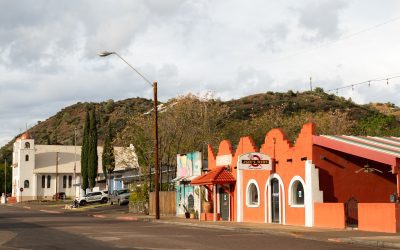
The market towns in Donegal offer colorful villages accentuated by music-filled pubs, cozy cafes and restaurants, and a decent selection of accommodation options. For a hyper-local experience, book into a bed and breakfast somewhere even farther off the grid. Most municipalities with at least a gas station and a pub have everything you’ll need anyways.
Letterkenny | The Biggest Town in Donegal
Population: 22,500
As the biggest town in Donegal, Letterkenny is a great basecamp for adventure. It’s nicknamed the Cathedral Town, with the St. Eunan’s Cathedral overlooking the village as an impressive centerpiece. Nearby attractions include Wild Ireland and there are several accomodation options to choose from. Lively pubs reguarly featuring live music include the Cottage Bar, McGinley’s, and Blake’s.
Donegal | County Name
Population: 2,750
Although Donegal town shares the same name as the county, it is surprisingly not the county seat. It’s still a sizable and charming market town situated where the mouth of the River Eske spills into the Atlantic. The town square is more like a triangle lined with lively pubs like Sonny McSwine’s and the Reel Inn. When you visit, be sure to check out the historic Donegal Castle.
Lifford | County Seat
Population: 1,600
Situated on the county line with Tyrone, Lifford is the county seat and gateway to town to Donegal. As such, it is a hub for business and county council activity. Explore the historic courthouse, Raphoe Castle, and the Bronze Age Stone Circle.
Killybegs | Ireland’s Largest Fishing Port
Population: 1,260
Donegal is known for its fresh seafood, so it’s no surprise that the country’s busiest fishing port is located in the village of Killybegs. Despite its petite size, this maritime epicenter hosts an internationally-acclaimed annual seafood festival. Build your own seafood trail sampling succulent dishes from a number of restaurants and seafood cafes in the village or simply sit and watch the boats go by.
Things to Do in Donegal
From national parks to clifftop hikes and sea safaris, there are plenty of ways to embrace Donegal’s mystifying scenery.
Glenveagh National Park
Glenveagh National Park, tucked away in the Derryveagh mountains, is the second largest national park in Ireland. The crown jewel of the national park is Glenveagh Castle which was built in the style of Balmoral, the iconic retreat for British royals. Unlike many castles in Ireland, this property has been maintained to livable standards with modern upgrades since it was used as a private residence until the 1970s. Although the castle is impressive, the expansive gardens truly steal the show.
The Wild Atlantic Way
The Wild Atlantic Way is a scenic driving route and one of the longest coastal roads in the world. The northernmost section of the route edges along Donegal’s western coastline. The route is dotted with points of interest along all 1,600 miles/2,600 kilometers from Donegal to Cork, ranging from scenic viewpoints to historic ruins to the tallest sea cliffs in Europe. You can drive, cycle, or even hike the route in portions or, if you have the time, its entirety.
Sliabh Liag
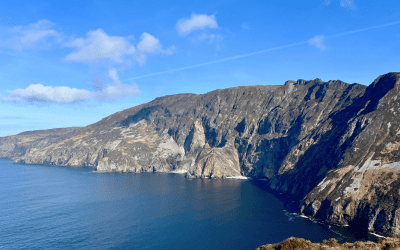
Many people find themselves in Donegal to see some of the tallest sea cliffs in Europe, Sliabh Liag/Slieve League. Marveling at these towering coastal cliffs from land, it’s almost impossible to get a sense of their stature. So, the best vantage point of all 600 meters/1,900 feet of wonder is actually from the water below. You can book a boat tour to view the cliffs up close and personal, and along the way keep your eyes peeled for dolphins, seals, whales, and other captivating marine life.
Malin Head
The most northern point of Ireland’s mainland is Malin Head, perched at the peak of County Donegal. It’s part of the Inishowen Peninsula, and the official starting (or ending) point of the Wild Atlantic Way. If Donegal is considered remote, this point of the region is truly far-flung.
Other Things to Do in Donegal
The Donegal County Museum
In Letterkenny, the Donegal County Museum illustrates a fascinating overview of the area, including history and culture.
Murderhole Beach
Murderhole Beach, also known a Boyeeghter Bay/Beach, has become popularized by social media in large part due to its ominous name. Like many Irish beaches, especially in the West, Murderhole experiences strong rip tides which pose a threat to swimmers and surfers.
The Milk Bar
For a unique experience, take a scenic drive out to the Milk Bar near the tiny village of Listicle. The family-run farm shop sells fresh dairy products from simple pasteurized milk to ice cream and milkshakes.
When you visit Donegal, Ireland, bring your sense of adventure and a few sensible layers of waterproof clothing. While this may be one of the least-visited places in Ireland and called “the forgotten county” amongst the Irish, it’s a destination that will steal your heart with its undeniable charm and beauty.