Situated in the Pacific Northwest, Oregon’s Willamette Valley is one of the country’s most prolific agricultural areas. Beginning just south of Portland, the state’s largest city, the valley stretches 150 miles south between two mountain ranges with the Willamette River running through it. Full of nutrient-rich volcanic soil, this region is known for its bounty of wine grapes, hops, and small farms, evidenced by the hundreds of wineries, breweries, and restaurants that call this place home. And of course there are plenty of ways to work up an appetite, whether it’s biking between wineries, hiking to waterfalls, or exploring a scenic byway.

This story was created in partnership with Willamette Valley.
Byways and Bikeways
Somewhat counterintuitively, Highway 99 West serves as the north-south corridor in the Willamette Valley, a welcome respite from Interstate 5 with plenty of side trips for curious travelers. Whether on two wheels or four or looking for a day hike or wine crawl, don’t skip these scenic routes.
With over 700 wineries in the Willamette Valley, cyclists and wine enthusiasts alike will have no problem finding Pinot Noirs to sample on the Willamette Valley Scenic Bikeway. Crisscrossing Highway 99 between Newberg and Eugene, this 134-mile route can also be done by car (or let someone else handle the driving), but the rolling hills and country roads are best taken in at a steadier pace. Pedal your way through the countryside at your own leisure, or for a more curated experience, Wind de Roads offers guided cycling tours (with plenty of wine breaks).

Beginning on the outskirts of Eugene, the 34-mile McKenzie River Scenic Byway winds its way along its namesake waterway into the Cascade Range. Abundant with trout, salmon, and steelhead, this stretch of river is regarded as one of the state’s top fly fishing destinations. Small towns and quaint farms make for good stopping points, including the communities of Leaburg, Vida, and Nimrod. Along the route you’ll also find the state’s second longest covered bridge, the 165-foot Goodpasture Bridge, built in 1938.
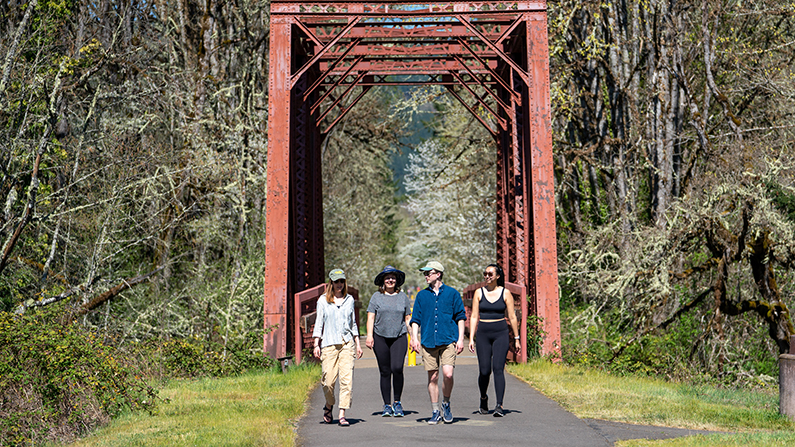
Looking for more bridges? We’ve got you covered: take a lap on the 36-mile Covered Bridge Scenic Bikeway. The full route begins in historic downtown Cottage Grove and loops around Dorena Lake. This includes sections of shared roadways, but part of it can be done as an out-and-back trip along the Row River Trail, a bike/pedestrian-only path along the north side of the lake. As the name suggests, riders will encounter historic covered bridges all along the route, including the Chambers Bridge, the only covered railroad bridge in the west.
Food Trails, Ales, Wine, Vineyards, and Wine
Have we mentioned wine? The Willamette Valley has rightly earned its reputation for keeping award-winning Pinot Noirs flowing, but nestled between vineyards are hundreds of farms producing everything from hemp to honey. We don’t recommend doing a wine (or beer) crawl on an empty stomach, but luckily there are three designated Food Trails in the valley: the Willamette Valley Food Trail (split into Mid and South), and the Great Oaks Food Trail. These “trails” aren’t a thinly veiled attempt to trick you into exercising for your food– rather, they’re self-guided routes showcasing Oregon’s bounty.
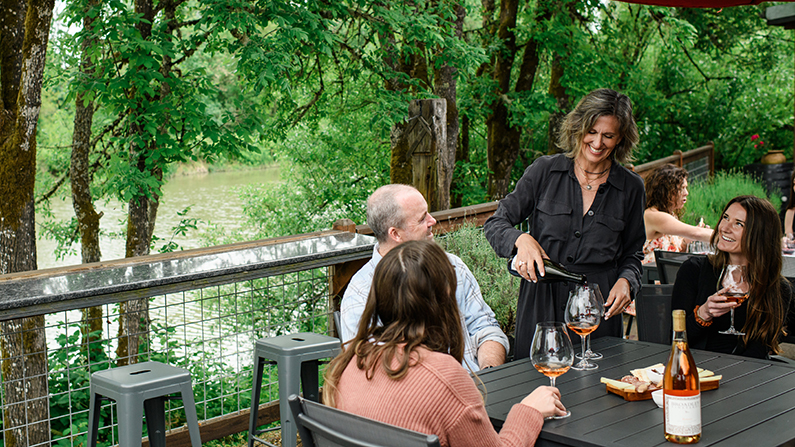
More than just a list of eateries, travelers can learn about sustainable farming practices from the farmers themselves and the essential role they play in their communities. At the Flying Bee Ranch in Salem, visitors can not only meet the beekeepers, but the bees themselves–wearing a beekeeper’s suit of course. Up the road in Canby, pay respects to the local “cowlebrities,” as they’re known, at the TMK Creamery, where they produce, of all things, vodka. Yes, you read that correctly: they use leftover whey from the cheese-making process to distill spirits. And for all those hops you passed by? Sample them in a classic Pacific Northwest-style IPA at one of the 30 breweries along the Eugene Ale Trail.
Waterfalls and Waterways
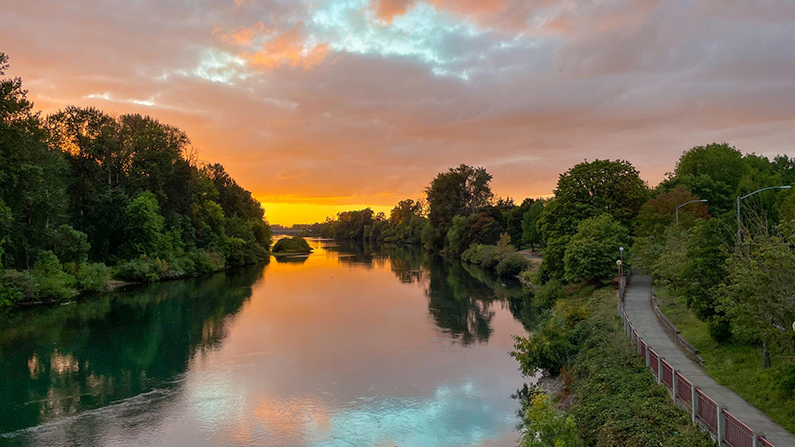
The Willamette River is the beating heart of the valley and a constant presence throughout. Encompassing over 200 miles of waterways (including tributaries), the Willamette River Water Trail offers excellent opportunities for rafting, kayaking, canoeing, and bird watching. This wide, gentle river has many stretches suitable for beginner and intermediate paddlers, though first timers may want to consider a guided trip.
For some of the most scenic waterfalls in Oregon, hikers of all abilities should look no further than Silver Falls State Park. The Trail of Ten Falls is a breathtaking 7.2-mile loop, renowned for its stunning collection of—you guessed it—waterfalls. The trail takes hikers through dense forest, past dramatic cascades, and even behind the 177-foot tall Silver Falls. Park visitors can also take in the views from one of the most unique vantage points: from the top of a 300-foot old growth tree. Tree Climbing at Silver Falls not only helps you climb some of the tallest trees in the world, but offers camping trips as well.
You could spend a lifetime exploring the Willamette Valley, but we encourage you branch out. On either side of the valley are regions offering vastly different experiences, and are a true testament to Oregon’s scenic and cultural diversity. From Corvallis, the Mary’s Peak to Pacific Scenic Byway connects to Waldport on the central coast. Heading east from Brownsville, the Over the Rivers and Through the Woods Scenic Byway makes its way through the lush woodlands of the valley into the wide-open, sagebrush-studded high desert of central Oregon.