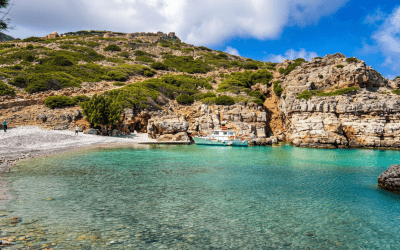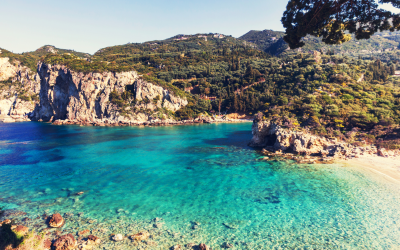
Menorca, Spain, is one of the four inhabited Balearic Islands alongside Ibiza, Mallorca, and Formentera. Renowned for its quieter, family-friendly atmosphere, Menorca still deals with overtourism concerns. Like many destinations across the Mediterranean, recent protests in the Balearics have stirred tensions betweens locals and visitors.
At Untraveled, we often highlight lesser-known destinations, but we believe it’s still possible to visit popular destinations responsibly. If you visit a well-known place during the high season, keep these principles in mind to ensure a more enjoyable experience for both you and the hosting local communities.
When to Visit Menorca
Summer is the busiest season on the Mediterranean, with peak months being July and August. However, pleasant weather lasts well into September and even October. Seas can become rough in the winter months, but weather conditions on land are still mild. By visiting in the off-season, you’ll find competitive accommodation rates, better availability due to fewer visitors, and unique local events like spring’s jazz festivals.
Where to Stay
When choosing where to stay in Menorca, Spain, prioritize locally-owned and/or sustainable-certified resorts and hotels to support the island’s economy and sustainability efforts. If you opt for a private villa, ensure the owner can provide a holiday rental license (ETV) and that the property is within a designated tourist zone. Be prepared for a tourism tax added to your accommodation fees, a small but essential contribution to maintaining Menorca’s clean and preserved environment. A few sustainable touches we appreciated at our accommodation included:
- Air conditioning that doesn’t run when you’re not in your room
- No single-use toiletries
- Sugar cane straws
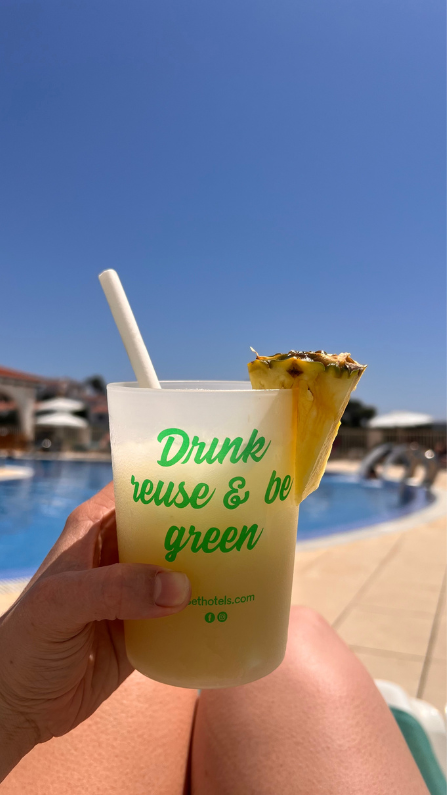
- Reusable recycled plastic beverage cups for the pool
- Lots of well-marked recycling bins on property
- Ability to opt out or modify housekeeping needs
Getting Around Menorca, Spain
Navigating Menorca is both convenient and eco-friendly, with various options to suit different travel styles. In tourist areas, you’ll find supermercados and beach shops for any essentials you may have forgotten, while bus routes connect all the villages and commercial centers. For a more sustainable option, consider renting electric bikes or bicycles, which allow you to explore the island at your own pace while minimizing your carbon footprint. Hiking is another excellent way to experience Menorca’s natural beauty up close. For longer journeys or added convenience, private drivers and transfers are available, offering comfort without compromising on responsible travel practices.
Interacting with Locals
To foster meaningful connections with the locals in Menorca, it’s helpful to brush up on basic Spanish phrases. Even a few words can lead to positive and respectful interactions. Complement your language efforts with warm body language—smiles and gestures like placing your hand over your heart can communicate kindness and respect. Patience and graciousness are key, especially as you adjust to local customs, such as dining times.
Preserving Menorca’s Natural Beauty
Respecting the island’s natural beauty is equally important. Always practice Leave No Trace principles—never vandalize caves, rocks, or fences. Leave marine life undisturbed and never feed wildlife. Menorca takes great pride in it’s immaculately clean streets. Do your part by sorting and recycling rubbish in the appropriate facilities and public bins. By following these guidelines, you’ll contribute to preserving Menorca’s landscape and fostering goodwill with its residents.