Choosing ethical safaris over a visit to your local zoo is a good approach to responsible wildlife encounters, but it’s just a start. According to World Animal Protection, 550,000 animals are exploited by irresponsible tourism. Because of this, finding an ethical safari operator is essential to protecting wildlife.
What is an ethical safari?
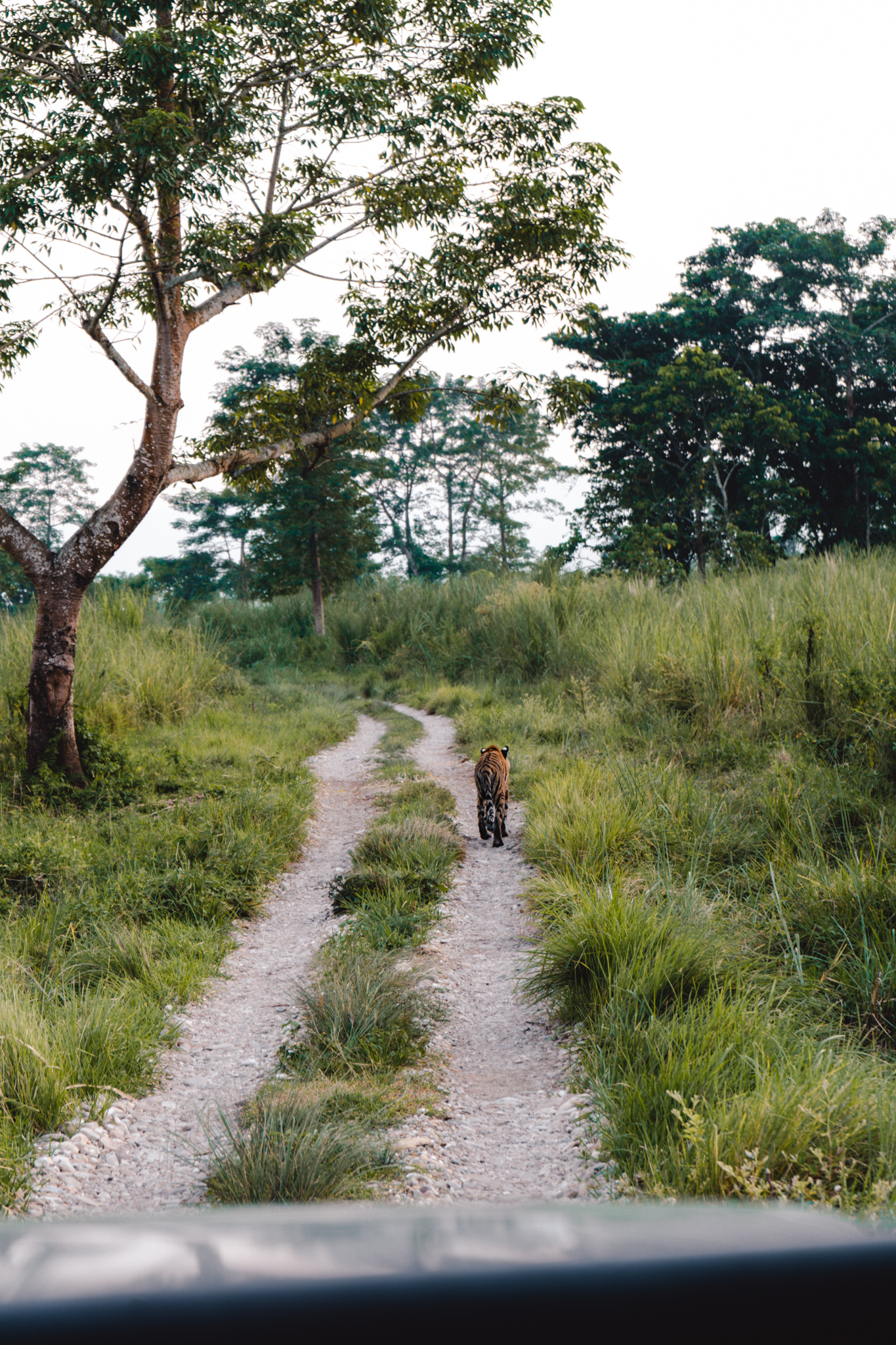
An ethical safari puts conservation at its forefront. It protects wildlife and their natural environments. There should be almost no interaction with the animals you spot on an ethical safari. Instead, safari-goers should observe, photograph, and avoid creating any kind of disturbance.
Research is the key to responsible travel, and safari trips are no exception. No matter what country you plan to safari in, research is imperative. Here are some quick tips for initial safari provider research:
- Email companies with any questions you have. Companies with strong conservation efforts are proud of their contributions to conservation and will be more likely to answer your questions in an open dialogue.
- Read Google and TripAdvisor reviews. Be sure to check for any low ratings, reading customer feedback carefully. Mentions of antagonizing animals or other unethical behavior should be flagged.
- Review the company website thoroughly. Do they have an FAQ page? Do they share financial information or conservation efforts?
Research is the baseline of responsible traveler due diligence, and it’s important to take the time to shop around safari tour providers.
Considerations for Booking an Ethical Safari
Finding a responsible safari operator doesn’t have to be a daunting task! We’ve created a quick list of questions to ask to make ethical explorations easier.
Does your safari package include elephant riding? In some parts of the world, safaris on elephant back are still relatively common. These should be avoided completely. Elephants are trained for riders through a process called “breaking” where they are beaten and chained.
It’s not just elephants. Any safari that uses alternative modes of transportation should be immediately written off as unethical. Camel safaris and noisy quad bikes are popular in some parts of the world, but if visitors avoid booking with these kinds of operators, the decline in demand will eventually lead to less harmful safari methods.
Does your safari operator’s website include financial transparency? Safaris can be quite an expense. Knowing where your money is going is a critical part of responsible travel. It’s a green flag when a company shares its safari cost breakdown. Financial information detailing how money supports local communities and conservation efforts is typically a great indicator of company values.

While we’re on the subject of money: it’s also important not to conflate price with ethics! Affordable safaris are not inherently unethical, just as expensive safaris are not always ethical. There are affordable safaris that have basic camping accommodations without any amenities, including electricity, that put the consumer cost towards dignified wages for guides. There are also luxury safari packages that do not pay their workers fairly, Once again, research is key!
Is there a cap on tourist numbers? It might seem harmless, but large groups of people and hordes of clamoring safari jeeps can scare animals. Small safari groups leave less of a mark on the environment and cause less disturbance inside national parks and wildlife reserves.
Do they employ locals? Hiring local safari drivers and guides is crucial for communities that depend on safari tourism as their primary economic driver. Safari jobs also provide locals with a sustainable income; the alternative often being poaching.
Responsbile Traveler Behavior on Safari
Beyond making an ethical booking, your behavior while on safari is an important part of an ethical safari experience. Here are some tips to guarantee you follow proper safari etiquette, which also increases your likelihood of seeing animals.
Indoor voices, please! You’ll be outside, but animals have an impeccable sense of hearing. Whispering in the vicinity of wildlife enhances your overall experience, as you’re less likely to alert animals of your presence.
Put your camera on silent shooting mode. DSLR cameras are great for snapping high-quality photos of the animals you see on safari. However, their loud shutter sounds can alert animals to your presence, disrupting them and ultimately scaring them off. We recommend putting your camera in silent shooting mode to ensure you aren’t a disturbance.
On the topic of cameras, leave your drones at home! Drones are becoming increasingly restricted across the African continent. The noise they make can confuse and frighten animals.
Wear neutral colors. Yes, even your clothing can negatively impact wildlife. Khaki, brown, beige, and other earth tones help you blend into the environment, allowing you to observe animals without disturbing them. Blue in particular tends to startle wildlife. It is illegal for non-military personnel to wear camouflage clothing in some African countries, so leave it at home.