Distanced from the buzz of Portland the state’s raucous college towns, Oregon’s south offers travelers a more relaxed vibe. That isn’t to say there’s any less to do– home to three designated Wild and Scenic rivers, four American Viticultural Areas, the world’s largest International Dark Sky Sanctuary, and the state’s only national park, southern Oregon can hold its own in a state full of adventure.
This story was created in partnership with Travel Southern Oregon.
Chase Dark Skies and Waterfalls
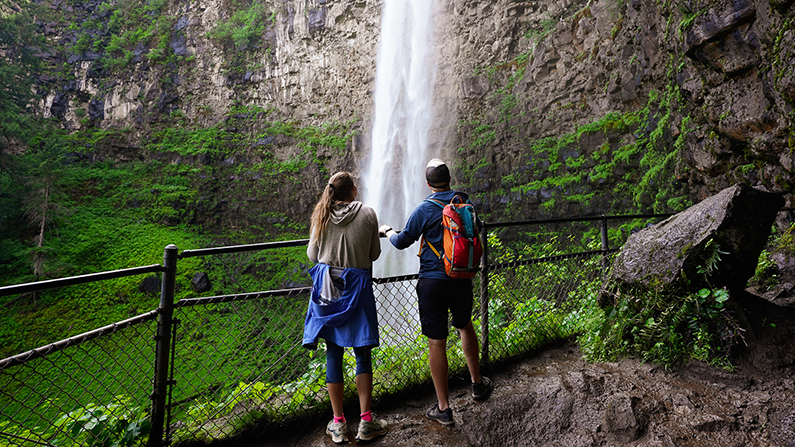
Connecting the lush I-5 corridor to the high desert plateau to the east, the Rogue-Umpqua Scenic Byway offers easy access to some of the state’s most scenic territory. Also known as the “Highway of Waterfalls,” this 172-mile stretch winds along the Wild and Scenic Rogue and Umpqua rivers, passing by over a half dozen waterfalls, including the 293-foot-tall Watson Falls, the third tallest in the state.
If you’re traveling from west to east, the end of Highway 138 lands you right on the doorstep of the Volcanic Legacy Scenic Byway, beginning near the northern entrance to Crater Lake National Park. 1,943 feet of crystal clear water fills the caldera of this ancient volcano, making it the deepest lake in the United States and seventh deepest in the world. The 33-mile Scenic Rim Drive circumnavigates the crater, with 30 overlooks along the way offering ample opportunities for hiking, picnicking, and sightseeing. The Pinnacles and Plaikni Falls trails offer easy strolls above the lake, but if you’re really itching to stretch your legs, the strenuous Cleetwood Cove trail leads hikers down to the only legal lake access where visitors can swim, fish, or join a boat tour.

The byway extends into northern California, but not before passing through prime bird and wildlife habitat in the Klamath Basin. Millions of migrating birds flock to the Upper Klamath National Wildlife Refuge, including raptors, sandhill cranes, geese, ducks, and the largest concentration of bald eagles in the lower 48.
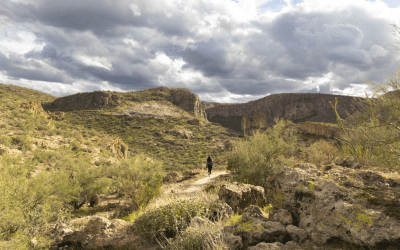
Alternatively, heading north from the terminus of Highway 138 brings you to La Pine, where the Oregon Outback Scenic Byway funnels travelers towards the sagebrush-blanketed high desert. There’s more wildlife than nightlife out here, but that doesn’t mean you’ll want to turn in early– encompassing 2.5 million acres, this area holds the distinction of being the largest International Dark Sky Sanctuary in the world. That means modern day travelers can gaze at the same, unobstructed night sky as the area’s earliest inhabitants did over 10,000 years ago.

Pedal, Paddle, Hike
Characterized by rugged mountains and wild rivers, southern Oregon is a haven for outdoor enthusiasts of all skill levels, whether it be by foot, bike, or boat.
Between the Pacific Crest Trail and the North Umpqua Trail, hikers have hundreds of miles to explore. Stretching from Canada to Mexico, the Pacific Crest makes its debut in Oregon just south of Ashland as it winds its way through the Cascades. Here is where hikers can find some of the best bang-for-your-buck access, where Mt. Ashland and the Cascade-Siskiyou National Monument offer easy access.
Starting in Roseburg, the North Umpqua Trail follows the north fork of the Umpqua river for nearly 80 miles. Sections of this trail have been damaged by recent wildfires, but easy access can still be found in the Marsters and Jessie Wright segments of the trail. Each leg consists of 3-4 miles (round trip) of family-friendly trails that pass through lush old-growth forests and basalt rock formations.

“Wild and Scenic” is more than just a name–it’s an official distinction only given to rivers befitting the term. And with three rivers to officially carry the label–the Rogue, North Umpqua, and Upper Klamath– southern Oregon is a river-runner’s dream. Whether you’re looking for a fast-paced jet-boat ride, a scenic float, or an adrenaline-inducing whitewater adventure, we strongly recommend hiring a guide for a safe and enjoyable experience.
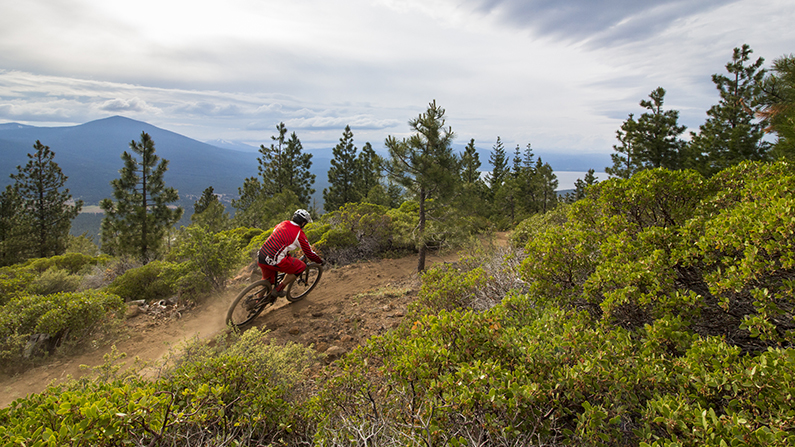
Seeking flowy singletrack and technical descents, mountain bikers are increasingly discovering southern Oregon as a destination. Featuring over 50 miles of trails, Spence Mountain (near Klamath Falls) caters to all levels. The beginner-friendly Mazama trail offers smooth, flowy, berms and moderate grades. More advanced riders will want to tackle the North Ridge trail, known for its steep, rocky terrain and scenic views.
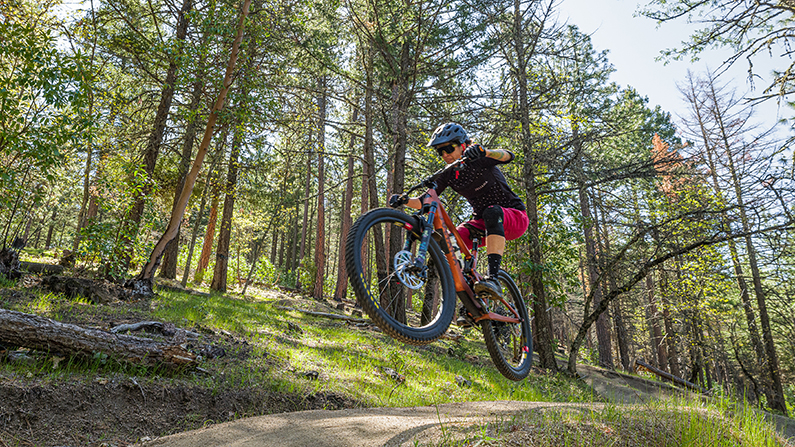
If pedaling uphill isn’t your cup of tea, shuttle to the top of Mt. Ashland. A handful of trails (such as the newly re-worked Jabberwocky trail) make the gripping, 12-mile descent into the town of Ashland, dropping over 5,000 feet of elevation.
In Grants Pass, the low-elevation trails at Cathedral Hills offer a more relaxed riding experience, perfect for beginners and intermediates. Take a lap on the Ponderosa Pine Loop for a scenic, easy ride, or the Outback Loop for a slightly more challenging route.
Sip and Sample
Southern Oregon is rife with independent farms producing everything from dairy to over 70 grape varietals. To help guide you, take a culinary trek on an Oregon Food Trail. These “trails” are self-guided tours that showcase sustainable producers, restaurants, and local artisans, including over 80 stops in southern Oregon.

Encompassing Roseburg and the surrounding area, the Great Umpqua Food Trail is characterized by its namesake Wild and Scenic River. Sip local wines by the river at the historic Steamboat Inn, paired with an easy hike to the 105-foot Susan Creek Falls nearby. Other highlights on the food trail include olive oil sampling, beer tasting, and the Lookingglass Store–a Roseburg staple that’s been hawking local products since 1852.
Spanning from Ashland to Grants Pass, the Rogue Valley Food Trail highlights locally sourced ingredients, sustainable farming, and craft beverages. With over 40 stops along the trail, visitors can sample everything from cocktails made with local spirits to small-batch chocolates. One must-stop is the Rogue Creamery, which holds the distinction of producing the “World’s Best Cheese,” for its flagship Rogue River River Blue. The trail also encompasses the scenic Applegate Valley, where visitors can experience the annual lavender bloom at Applegate River Lavender Farm and The English Lavender Farm.
Southern Oregon is also home to four distinct American Viticultural Areas (AVAs), each offering unique terroirs that contribute to the region’s reputation for high-quality wines. The Rogue Valley AVA, the largest of the three, is known for its diverse climate and topography, as well as for being home to the state’s first official winery in 1873. Bordeaux, Rhône, and pinot noir styles dominate here, making this a haven for red wine lovers. The Umpqua Valley AVA (which encompasses the smaller Elkton AVA as well) to the north is known for a wider range of microclimates, allowing for more variety. In addition to bold reds, you’ll also find lighter varietals, such as riesling, pinot gris, and chardonnay. Lastly, the Applegate Valley AVA, is home to 18 wineries (a small number by Oregon standards) nestled between the two.
Whether your adventure begins or ends in southern Oregon, there’s plenty more to explore. Travelers continuing their Oregon exploration have easy access to the state’s other regions. The Willamette Valley begins to the north along the I-5 corridor, beginning in Cottage Grove and extending to just south of Portland. At the terminus of Highway 138, the high deserts and dark skies of central Oregon are easily within reach. And from Grant’s Pass, the Redwood Highway (Hwy 199) offers a direct and scenic route to the coast.