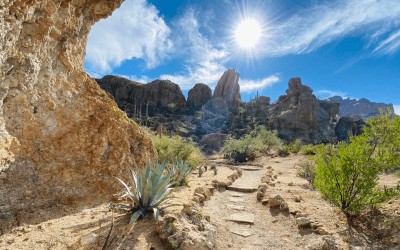
For real stargazing, you need a genuinely dark location. At the world’s best certified dark sky parks, darkness isn’t something to escape — it’s what visitors come to experience. From the glacial peaks of North America to the South African savanna, these protected landscapes offer some of the best places to look up on Earth, where thousands of stars still appear the way our ancestors saw them.
What Makes a Dark Sky Park Special?
In much of the developed world, skyglow obscures all but the brightest stars. In a truly wild place, that interference fades; what you see is the luminous band of our galaxy, distant planets, drifting meteors, and sometimes even the faint glow of another galaxy. The best dark sky parks provide not only a celestial show but a rare opportunity to experience the natural nocturnal environment as it was before widespread artificial lighting, long before the term “light pollution” began illuminating a growing concern among scientists in the 1970s.
What Does an international Dark Sky Certification Mean?
The nonprofit DarkSky International certifies parks and other protected areas that demonstrate exceptional night-sky quality and a commitment to preserving it. Certification involves responsible outdoor lighting, public education, and ongoing conservation efforts. Designations include International Dark Sky Parks, Reserves, and Sanctuaries, each with distinct criteria. These places can be found across six continents, with Antarctica the lone exception. Although the continent has some of Earth’s darkest skies, its summers bring continuous sunlight to much of its territory.
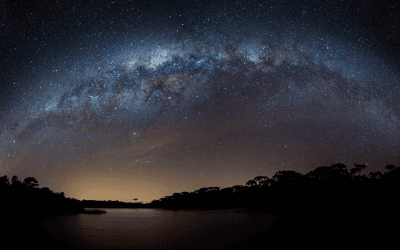
The Milky Way contains our solar system and hundreds of billions of stars and planets, but it isn’t a separate object hanging in the sky. We’re inside it. If you’re looking for the best places to see it, these 10 destinations combine remarkable natural landscapes with protected nighttime skies.
10 Best Certified Dark Sky Parks in the World
1. Waterton-Glacier International Peace Park
Canada & United States
Straddling the border between Alberta and Montana, Waterton-Glacier is a transnational dark sky park where Waterton Lakes (CAN) and Glacier (US) national parks meet, with glacier-carved peaks, alpine lakes, and mountain valleys. These features frame skies bright with stars and, occasionally, the northern lights. Summer astronomy programs introduce visitors to the constellations, while remote overlooks offer magnificent views of the Milky Way. The park combines two national parks in one spectacular stargazing destination in the Canadian Rockies.
2. Galloway Forest Park
Scotland
Scotland’s Galloway Forest Park has vast forests, quiet lochs, and sparsely populated countryside, providing some of the United Kingdom’s finest stargazing. On clear nights, thousands of stars emerge above the landscape, with the Milky Way stretching across the sky. Autumn and winter offer especially long nights to see it.
3. AlUla Dark Sky Parks
Saudi Arabia
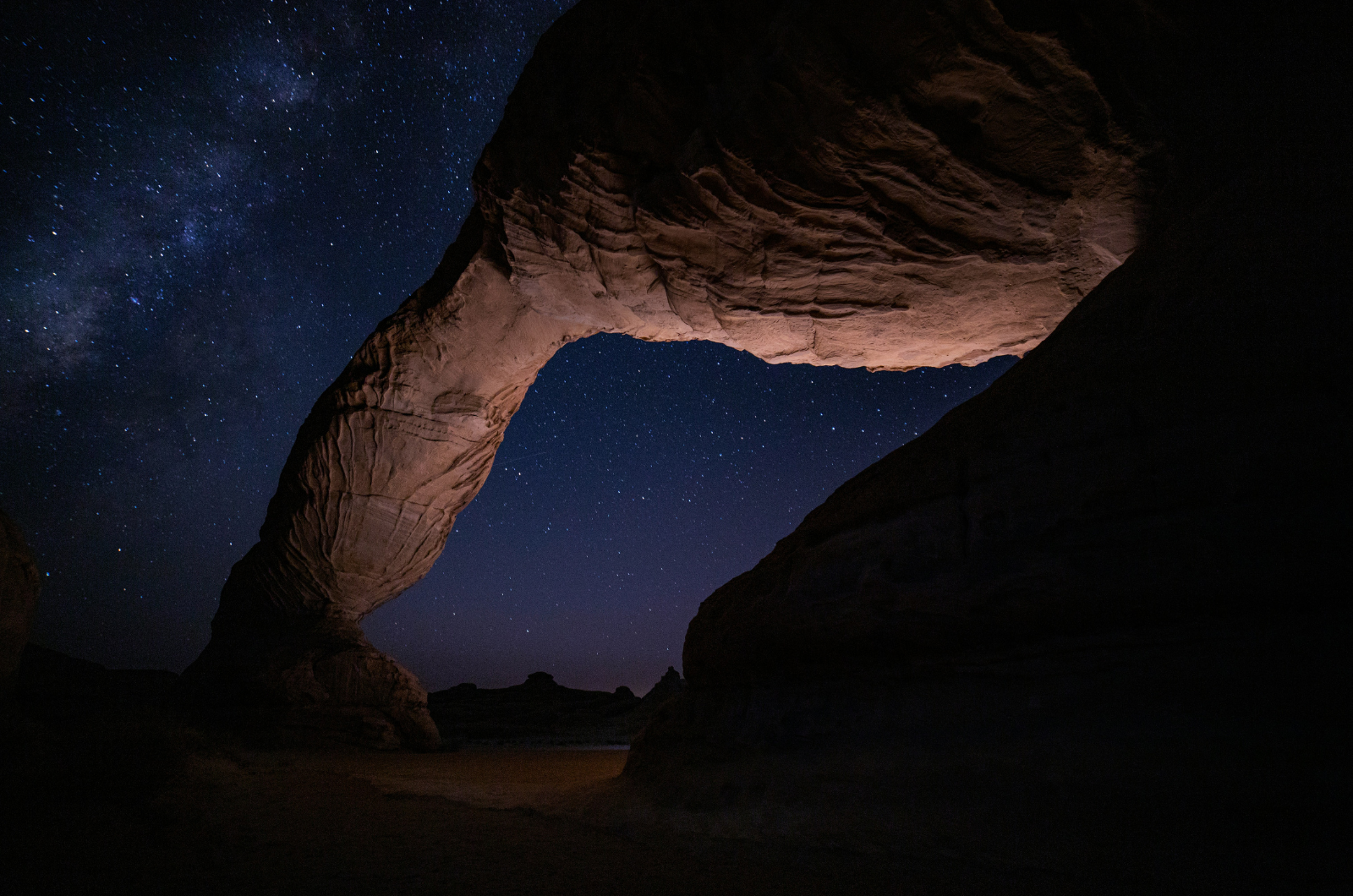
In northwestern Saudi Arabia, towering sandstone formations and remote desert valleys create a dramatic setting for stargazing. AlUla’s certified areas include AlUla Manara, AlGharameel Nature Reserve, Sharaan National Park, and Wadi Nakhlah Nature Reserve. Together, these protected areas span more than 6,000 square kilometers, offering guided astronomy experiences and unobstructed views of the Milky Way above the ancient Arabian landscape.
4. AMC Maine Woods International Dark Sky Park
United States
Deep in northern Maine’s forests, the Appalachian Mountain Club’s Maine Woods property protects some of the darkest skies in the eastern United States. The 100,000-acre park encompasses remote lakes, rivers, and forests far from the glow of major cities. Visitors can spend their days hiking, paddling, and wildlife watching before settling in for spectacular stargazing.
5. Aenos National Park
Greece
On the Greek island of Kefalonia, Aenos National Park has an unusual combination of mountain wilderness, Mediterranean scenery, and exceptional stargazing. Centered on Mount Aenos, the island’s highest peak, the park encompasses dense forests of endemic Kefalonian fir trees and sweeping views across the Ionian Sea. The park also offers free public astronomy programs.
6. Ariormote Ishigaki National Park
Japan
Scattered across Japan’s subtropical Yaeyama Islands, the park’s southern latitude offers views of stars and constellations rarely visible elsewhere in Japan, including parts of the Southern Cross. Mangrove forests, coral reefs, and tropical rainforests make the islands equally compelling by day, while guided nighttime outings reveal a dazzling celestial landscape far from Japan’s major cities.
7. Warrumbungle National Park
Australia
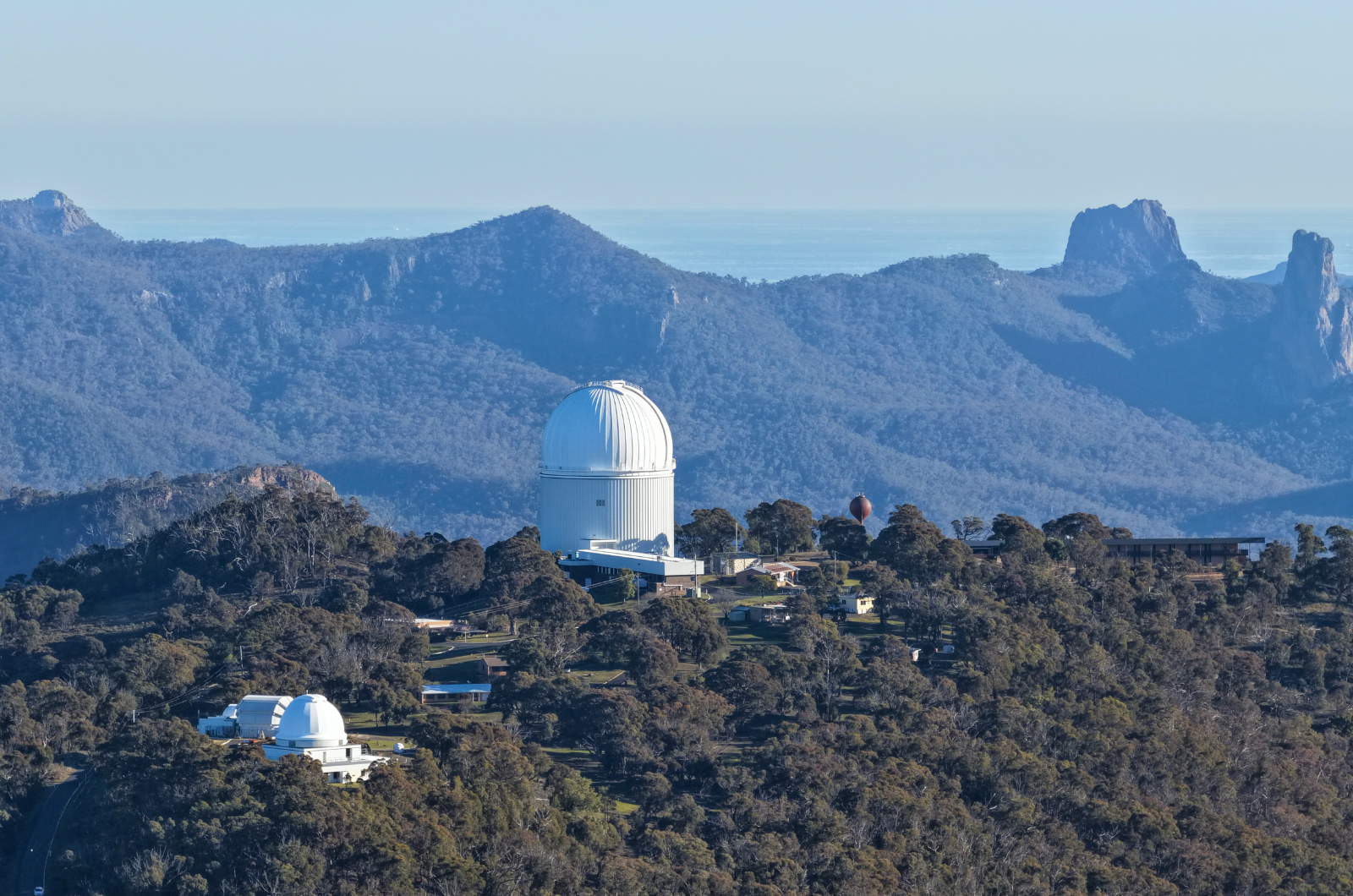
This certified dark sky park offers views of some of the Southern Hemisphere’s finest skies. Its rugged volcanic peaks frame spectacular views of the Milky Way and the Magellanic Clouds. By day, visitors can tour nearby Siding Spring Observatory, home to Australia’s largest optical telescope, and explore its public viewing gallery. After dark, you can take advantage of ranger-led stargazing programs when available. Nestled in New South Wales, this is one of many must-see stops on any eastern Australia road trip.
8. Desengano State Park
Brazil
Desengano protects a mountainous expanse of Atlantic Forest in Brazil’s Rio de Janeiro state. On clear nights, visitors can see the Milky Way and Southern Cross in its exceptionally dark skies. The park offers organized stargazing excursions and astronomy activities, while the nearby town of Santa Maria Madalena hosts an annual Festival of the Stars featuring telescope observations and astrophotography workshops.
9. Lapalala Wilderness Nature Reserve
South Africa
Located in Limpopo’s Waterberg region, this certified dark sky park’s expansive savannas, river valleys, and rugged hills provide a remarkable setting for stargazing. Visitors can combine a wildlife safari with nights beneath the Milky Way, trading sightings of rhinos and other African wildlife for views of the Southern Hemisphere’s constellations after dark.
10. Huanglong International Dark Sky Park
China
High in China’s Sichuan province, Huanglong combines alpine forests, colorful travertine pools, and snowcapped mountains with exceptionally dark skies. Its high-altitude Xueshanliang area offers striking views of the Milky Way, and guided stargazing, meteor shower viewing, and night-sky photography activities are available seasonally, generally from June through October.
Tips for Visiting the Best Dark Sky Parks
Even the best dark sky parks can’t guarantee a spectacular night of stargazing. For the clearest views, plan your visit around a new moon, when moonlight won’t wash out fainter stars. Check local weather forecasts, avoid cloudy or hazy nights, and allow at least 20 to 30 minutes for your eyes to adjust to the darkness. A red-light flashlight helps preserve night vision.
The best places to stargaze are also worth protecting. Keep artificial lighting to a minimum, follow park regulations, and stay on designated trails. By preserving natural darkness, certified dark sky parks safeguard wildlife habitats, reduce unnecessary light pollution, and ensure that future generations can experience the night sky in all its brilliance.
For the newest designations and visitor details, check DarkSky International’s official directory before you go.