After spending a month exploring Palmas, Brazil, while working as an English teacher, one Untraveled adventurer returned home to the United States with lasting memories and few surprising experiences. This is her story.
Welcome to Palmas, Brasil
The city of Palmas is relatively young in city years. It incorporated as the capital of the central Brazilian state of Tocantis in 1989. Before that, the area was largely agricultural. After establishment, Palmas attracted rich and poor alike as a safer alternative to larger cities in Brazil.
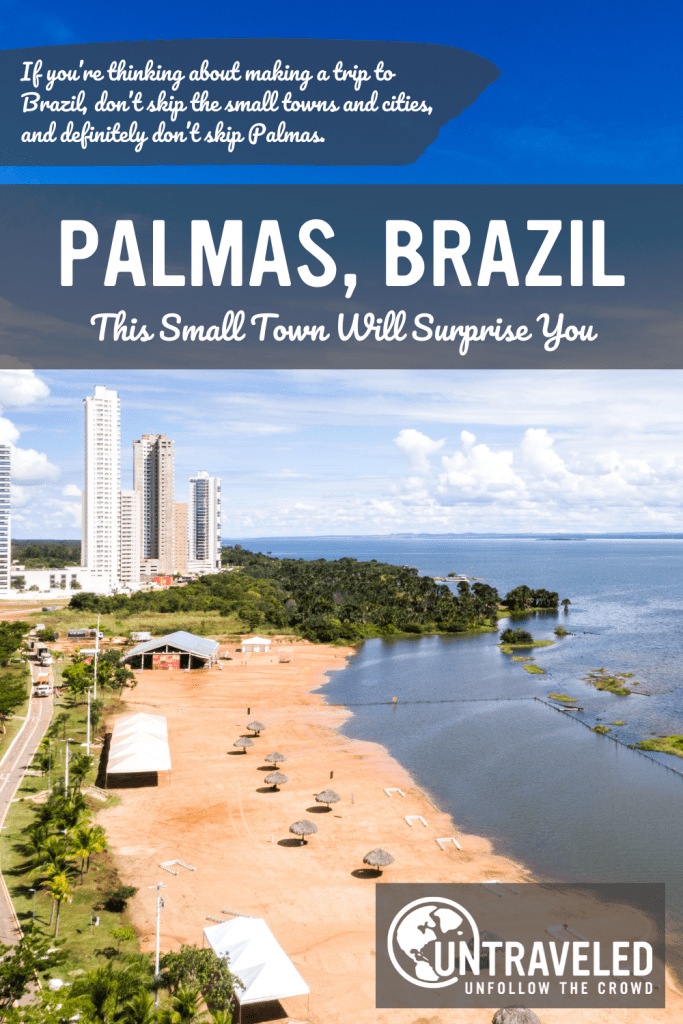
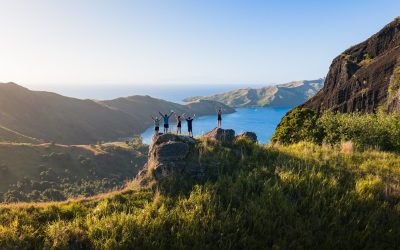
Palmas is next to a massive hydroelectric dam, which both powers the city and provides a giant lake where locals find much-needed relief from the heat. Praia Graciosa serves as the city’s main beach, bustling with churro carts, beachside bars and clubs, and a boat rental service for party boats. Having a birthday party on one is almost a right of passage.

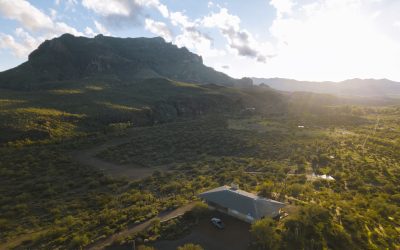
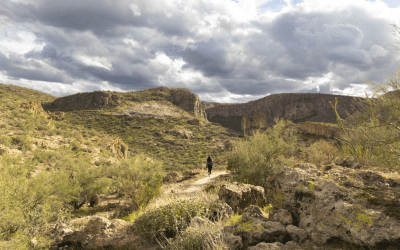
With its central location, the only thing Palmas is really close to is nature. Residents refer to the area outside the city of Taquarucu as cerrado, or a savannah. Due to its proximity to the Amazon, locals consider the Tocantis region to be quite dry— though to me, the naturally-occuring mango trees and bird of paradise flowers made me feel like I was walking through the jungle.
The waterfalls in Palmas, Brazil, are a local secret, and the only people you’ll see there are likely from the area. Several hours away, Jalapão State Park is better known, though much further off the beaten path. This unique landscape has crystal clear hot springs, waterfalls, and sand dunes. For the best experience, book a tour through Cerrado Dourado, a family-owned touring business that provides all the accommodations.

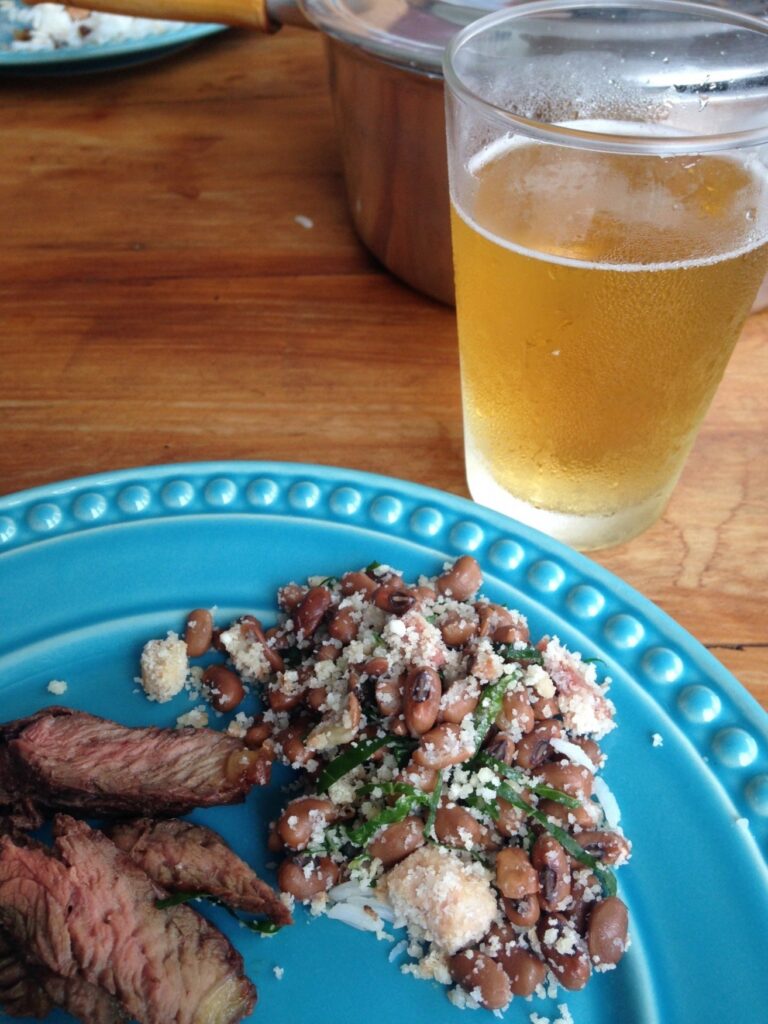
Palmas, unlike its larger cosmopolitan counterparts, retains the feeling of a small community. The city filters out for two hours around lunchtime, and everyone leaves work to go enjoy lunch with family (and take a nap). In the evenings, whether it’s a Monday or a Friday, people escape the heat at open-air Brazilian barbecue restaurants, or churrasco. The city squares are packed with families and friends enjoying fire-grilled steaks, rice, and beans.
Brazilian Arts and crafts
The city also preserves its strong history of hand-crafted goods. At the weekly market, a whole section consists of capim dourado: earrings, baskets, bowls, and vases made entirely of a strong, golden grass that grows solely in this region of Tocantis.
Artisans weave intricate patterns, and each stall shows off the different skills sets and styles. Small baskets are common, but one artist makes scenic wall hangings out of the grass and corn husks. Others make clocks with the grass! Every home I visited had a fruit bowl made out of capim dourado, and it made buying gifts for friends and family back home nice and easy.


Palma’s Food Scene
Brazilians like to eat. A lot. This made it easy for me to fit in well with the culture, and I took full advantage of the opportunity to try lots of new foods. From coxinha, the fried, teardrop-shaped chicken bites, to paçoca, a ground mixture of dried beef, cassava flour, and red onions that creates a savory snack, the flavors and textures were all new to me. The woman who hosted me in her home even taught me to make brigadeiro, a traditional birthday desert.
Brazil’s beaches and coastal cities get a lot of attention, so it might seem intimidating at first to visit the interior. However, I discovered incredible warmth of a giving people, gorgeous natural wonders, and some delicious new recipes to try. If you’re thinking about making a trip to Brazil, don’t skip the small towns and cities, and definitely don’t skip Palmas.